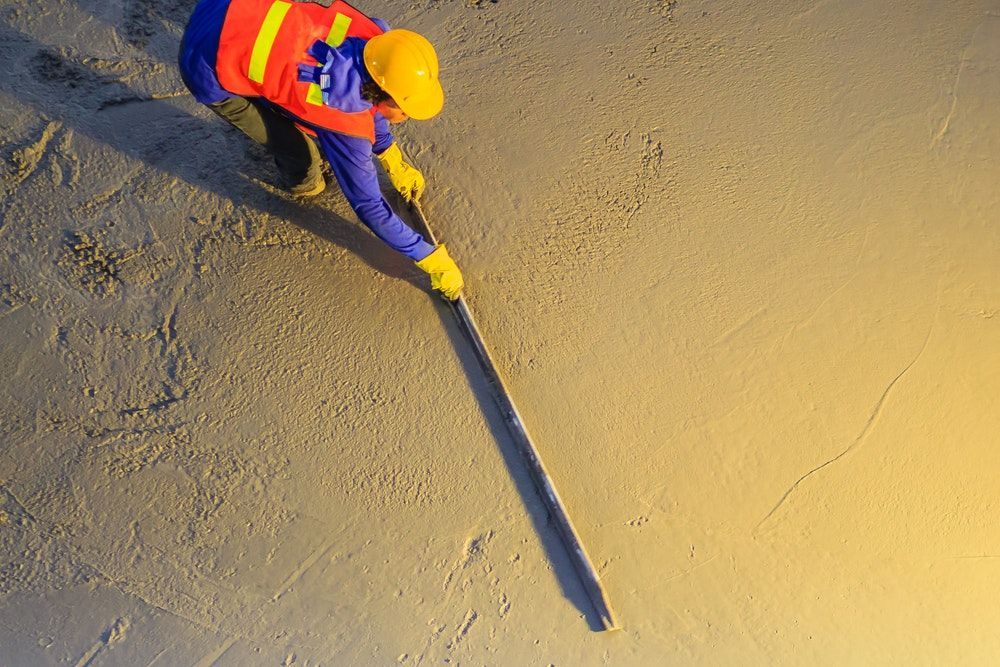
Concrete slab installation explained: From preparation to the pour
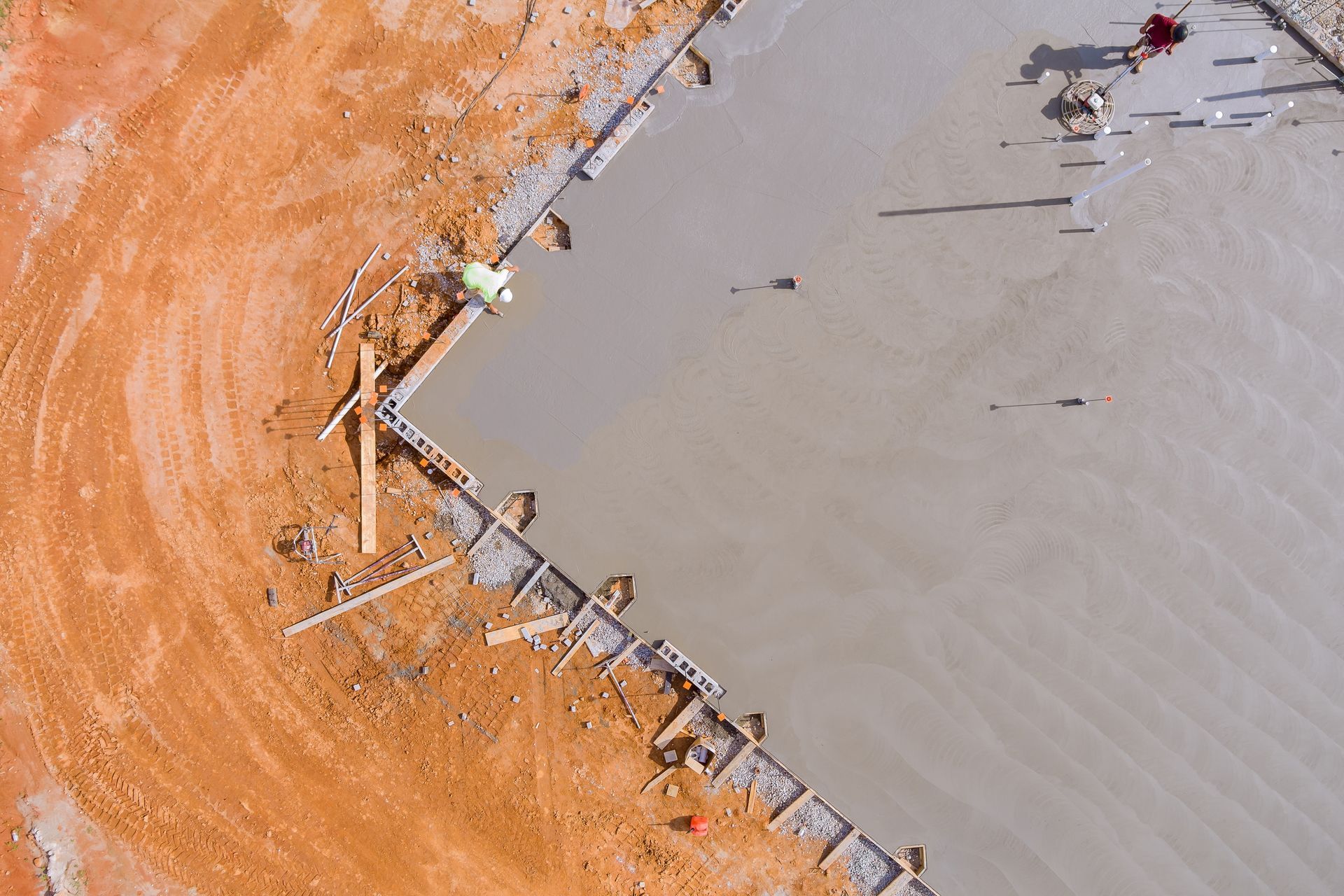
Installing a concrete slab is often the first step in building a new home, garage, patio or commercial floor. For residents and businesses in Pimpama QLD, understanding the basics of slab construction can save time, money and avoid costly mistakes. This guide breaks down what you need to know before your slab goes down.
What is a concrete slab?
A concrete slab is a flat, solid area of poured concrete that forms the base for a structure. It typically rests on compacted soil or a compacted granular base, providing a level and stable surface. Slabs can be used for driveways, patios, foundations, and industrial floors.
Benefits of concrete slabs for Pimpama homes and businesses
- Durable and long‑lasting – withstands heavy loads and weather conditions common on the Gold Coast.
- Low maintenance – resistant to rot, termites and most pests.
- Quick installation – a well‑planned slab can be poured and cured in a few days.
- Versatile – suitable for residential builds, carports, outdoor areas and commercial projects.
Key factors when planning your concrete slab
Before any concrete is poured, consider these important aspects:
- Site preparation: Proper excavation, removal of organic material, and a compacted base are essential for preventing cracking.
- Thickness and reinforcement: Typical residential slabs are 100‑150 mm thick with steel mesh or rebar for added strength.
- Ground conditions: In Pimpama, soil type can vary; a soil test helps determine whether a sand or gravel sub‑base is required.
- Drainage: Ensure the slab has a slight slope (around 1–2%) away from the structure to avoid water pooling.
- Permits and regulations: Local council may require a building permit and inspection before pouring.
Preparing your site for a concrete slab installation
Effective site preparation reduces the risk of future problems. Follow these steps:
- Mark the slab outline using string and pegs.
- Excavate to the required depth, accounting for the sub‑base and slab thickness.
- Lay a compacted granular sub‑base, typically crushed stone, and level it thoroughly.
- Install a moisture barrier (polyethylene sheeting) to prevent ground moisture from affecting the concrete.
- Place reinforcement (mesh or rebar) before the concrete is poured.
Common issues and how to avoid them
Even with careful planning, some problems can arise. Here’s how to prevent them:
- Cracking: Ensure proper joint placement, control water‑to‑cement ratio, and allow adequate curing time.
- Uneven surface: Use a level float and vibration tools to settle the concrete evenly.
- Water damage: Install adequate drainage and consider a sealant for added protection.
Choosing a local concrete specialist
Working with a contractor familiar with Pimpama’s soil and climate can make a big difference. Look for a company that offers a clear quote, explains the process, and provides a warranty on their work. By selecting a local expert, you’ll benefit from faster response times and knowledge of council requirements.
Ready to start your project? Get in touch with our team to discuss your concrete slab needs. If you’re curious about the services we offer, learn more about our concrete services here.
Conclusion
A well‑planned concrete slab gives you a solid foundation that lasts for years. By understanding site preparation, material choices and local considerations, you can avoid common pitfalls and achieve a smooth, durable surface. Whether you’re building a new home extension or a commercial floor, the right preparation makes all the difference.
Contact us today to explore how we can help you with hassle‑free slab installation in Pimpama.